What does a Bahamas snorkeling tour cost?
Between $120 and just over a thousand dollars, and the spread says almost nothing about the reef. Every trip here works water within about forty minutes of a harbour. What you are paying for is the boat, the length of the day, the size of the group and how much of the day is already covered.
Four bands account for all of it.
| Band | What is included | Length | Group | Best for |
|---|---|---|---|---|
| $120–$150 | Shared boat, gear, usually lunch, two or three stops | 3–6 hours | 10–60 | Most travellers |
| $240–$260 | Small group or private vehicle, gear, sometimes a guide to yourself | 3–6 hours | 4–6 | Nervous swimmers, small parties |
| About $770 | Return flight, several Exuma cays, hotel pick-up, gear | 7 hours | 10 | Anyone who came for Big Major Cay |
| $825–$1,045 | The whole vessel, itinerary yours, fishing and snorkel gear | 4–8 hours | Your party | Parties of four or more |
What does the $120 band actually buy?
More than it sounds. At the bottom of the range you get a full six-hour day on Grand Bahama with lunch, gear, sea scooters and a cap of ten travellers, or a three-hour Rose Island run from Nassau with drinks aboard.
What you do not get is shade on every boat, a washroom on every boat, or transfers as standard. Those are the three things worth checking before you decide the cheapest option is also the best value.
Why is one four-hour trip $124 and another $149?
Ninety minutes, a hot lunch and a bar, mostly. The $149 catamaran runs five and a half hours rather than four, cooks lunch aboard, pours unlimited punch and soda, and carries a washroom and a covered deck.
Against that, its pig interaction is a US$30.00 add-on where the cheaper speedboat includes the pigs in the fare. Add the surcharge and the two are within a few dollars of each other — which is exactly why comparing headline fares misleads.
What is per person and what is per boat?
The single most important line in this guide. Three of the departures listed are charters priced per vessel, and their listings say so beside the figure. A fare of $968 is not what one person pays; it is what the boat costs.
Everything else is per person. Where a price is per group it is labelled that way everywhere it appears, because printing “per person” under a charter fare is a false statement about what somebody is about to pay.
At how many people does a private charter win?
Four, and decisively by six.
| Party | $825 charter | $968 charter | $1,045 charter | Shared boat |
|---|---|---|---|---|
| 2 | $413 each | $484 each | $523 each | $120–$150 each |
| 4 | $206 each | $242 each | $261 each | $120–$150 each |
| 6 | $138 each | $161 each | $174 each | $120–$150 each |
At six people the smallest charter undercuts several shared fares outright, and you get the boat, the start time and the itinerary to yourselves. Below four it is a luxury purchase rather than a saving, which is a perfectly good reason to buy it — just not a financial one.
What does the fly-in day buy for $770?
A return flight, which is the whole point. Big Major Cay, Thunderball Grotto and the nurse sharks at Compass Cay are in the Exumas, and no boat from Nassau reaches them and returns in a day. The flight converts a two-day trip into a seven-hour one.
It also covers boat transport once you land, hotel pick-up in Nassau, gear and a cap of ten travellers. Judge it against a domestic flight plus accommodation plus a local charter, not against a $124 half-day, and it stops looking extravagant.
Which fares include lunch, and which include alcohol?
Roughly half include lunch and about half include something alcoholic, and they are not the same half. The catamaran day includes both. The kayak morning includes one drink and a coconut. The charters include neither and expect you to bring your own.
As a rule of thumb, lunch is worth about $20 to $30 and an open bar considerably more if you intend to use it. Where a fare excludes food, the beach stop will sell it to you at beach-stop prices.
What sits outside the fare?
- Gratuities, on almost every trip. Ten to fifteen per cent, in small US notes.
- Transfers, on several. Some offer hotel pick-up as a paid extra at checkout.
- The pig interaction on one catamaran, at US$30.00 per person.
- Towels and sunscreen, on most.
- Food and drink at the beach club, wherever lunch is not included.
Budget thirty to fifty dollars per person beyond the fare on a shared trip and the day costs what you expected it to.
Are the struck-through prices real?
They are the operator's own list price against its current selling price, and the selling price is what you pay. A discount with an end date on it is not a reason to hesitate and not a reason to hurry: fares here move seasonally rather than by the hour.
What is worth watching is that a fare is quoted in US dollars. The Bahamian dollar runs at parity, so the two are interchangeable on the ground.
Do prices move by season?
Yes, and less than hotel rates do. The winter cruise season is the busiest and the small-capacity trips sell out rather than raise prices; the quieter months produce more discounting.
The bigger seasonal effect is availability. In January the six-traveller kayak morning is booked days ahead; in October it is not. The seasonal guide works through the whole calendar.
Is the ship's excursion more expensive?
Usually, and by a clear margin. What the premium buys is the guarantee that the ship waits, which is genuinely worth something on a short call or with a party that cannot be hurried.
On a call of eight hours or more, an independent booking with a two-hour margin gets you a smaller boat for less. Both are defensible; the difference is what you want to worry about.
Does a higher fare mean a better reef?
No, and this is the most useful thing in this guide. Every Nassau departure works the same chain of cays east of Paradise Island, and the Grand Bahama trips work the same south-shore reef line. A $242 morning and a $124 morning can put you over overlapping water.
What the higher fare buys is people: fewer of them on your boat, and more attention from the ones being paid to be there. A cap of six with a guide in the water different experience from a cap of sixty with a crew of four, and it is the difference most of the price gap represents.
Which means the question is not whether a trip is worth its fare in the abstract. It is whether your party needs what the fare buys.
Where does the money go on a shared boat?
Fuel and crew, mostly, then the beach club fee where a trip lands at one, then food. Bahamian marine fuel is expensive and a powerboat covering three cays in four hours burns a great deal of it, which is why the fastest trips are rarely the cheapest.
The beach club element is invisible and substantial. Several Nassau departures land at private clubs on the Rose Island chain, and the fare covers your admission there. That is also why the trips that include a beach stop cost more than the ones that anchor off it.
Understanding that makes the comparison easier: a fare that includes a beach club and lunch is buying two things you would otherwise pay for separately, at prices set for a captive audience.
Is a cheaper trip a worse trip?
Not reliably. The cheapest fare listed is a six-hour day with lunch, gear and a cap of ten, which is better value than several trips costing more. Meanwhile one of the mid-priced Nassau boats carries the lowest rating on the page.
Price correlates with inclusions and group size, not with quality. The ratings correlate with the crew and with how much time people got in the water, and neither of those is visible in a fare.
Read the reviews for the trip you are considering and the inclusions list beside it. Between them they predict the day far better than the number does. Bahamas Snorkeling Tours sets both out per departure.
What about booking two trips in one stay?
It costs less than people assume and it is the best-value structure for a week. Two half-day boats at the bottom of the range come to about the same as one small-group day, and they give you two different shapes of water rather than one shape twice.
The pairing that works best is a shared island run for the reef, the turtles and the pigs, then something small and quiet — the kayak morning or a private charter split between four — for the part where you actually want to be left alone in the water.
Book both early. The refund window applies to each independently, so holding two dates and dropping one later costs nothing.
How to spend the money well
Three rules, in order. Buy time in the water, not stops. Buy a smaller group before you buy a longer day. Buy shade and a washroom if there are children.
Everything else is preference. Every fare on Bahamas Snorkeling Tours is listed with what it covers and what it does not, and the ones priced per boat say so.
Frequently asked questions
What is the cheapest Bahamas snorkeling tour?
Are prices per person or per boat?
How much should I budget beyond the fare?
Do I have to tip?
One trip from each price band
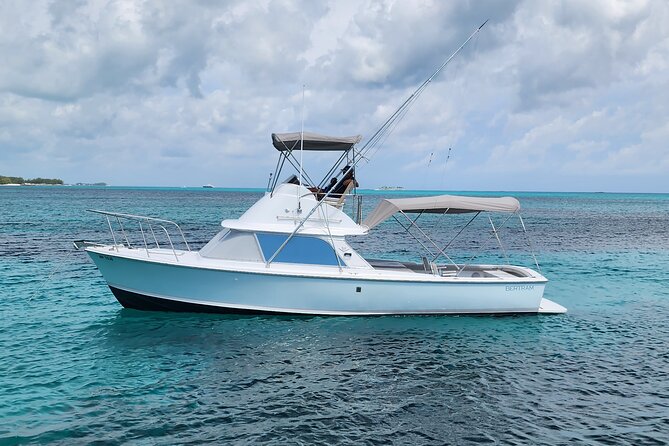
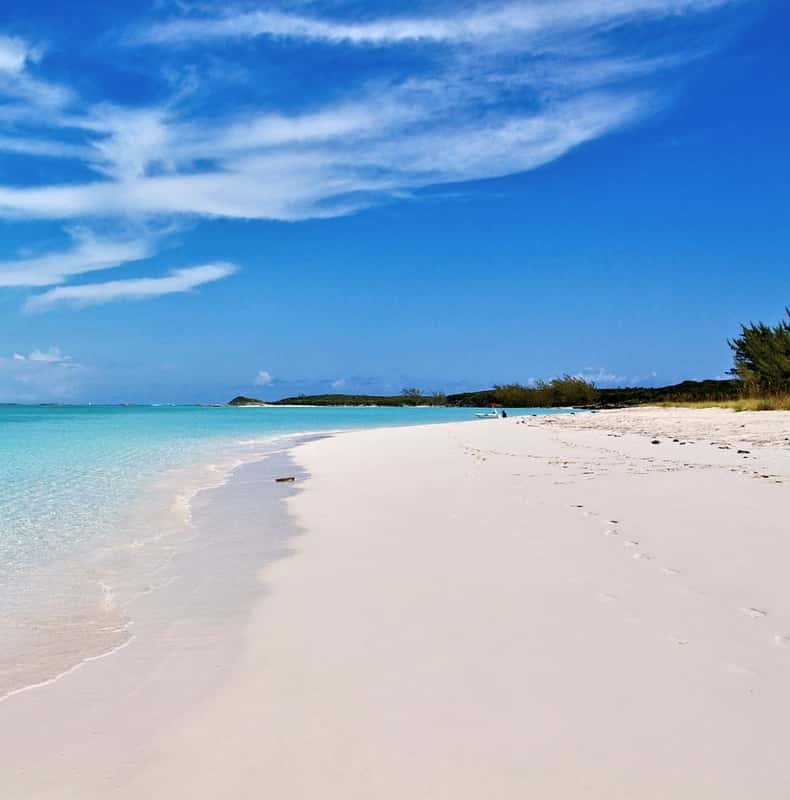
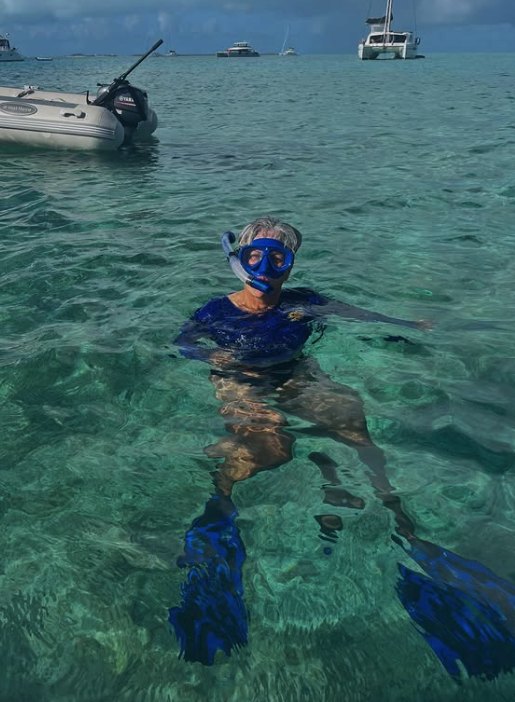
One from each price band in the table: the floor, a private charter priced per vessel, and the fly-in day at the top.