The short answer
Fly to Nassau or Freeport, book a half-day boat for $120 to $150 per person, and turn up in your swimwear with a towel, reef-safe sunscreen and small notes for tips. Gear comes with every trip, the water sits between 24 and 30 degrees all year, and every departure listed refunds in full up to 24 hours ahead.
Choose the island before you choose the trip
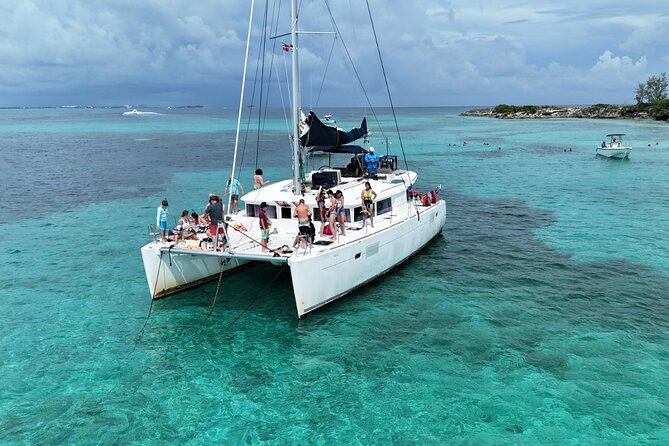
Almost every Bahamian reef trip leaves from one of two islands, and they are not interchangeable. New Providence holds Nassau, Paradise Island and the cruise wharf, and runs most of the departures. Grand Bahama holds Freeport and Port Lucaya, and runs its own.
They are about 130 kilometres apart. There are short domestic flights and a fast ferry between them, but neither runs often enough to build a booked departure around. Check which island your hotel is on before you pay for anything — it is the one booking mistake that cannot be repaired on the morning.
What a trip costs, and what the price buys
The spread is wider than most people expect, and almost none of it is about the reef. It is about the boat, the length of the day and how much of the day is already paid for.
| Band | What you get | Length | Best for |
|---|---|---|---|
| $120–$150 | Shared boat, gear, usually lunch, two or three stops | 3–6 hours | Most travellers, most of the time |
| $240–$260 | Small group or private vehicle, six to ten people maximum | 3–6 hours | Nervous swimmers, small parties |
| Around $770 | Return flight to the Exumas, several cays, hotel pick-up | 7 hours | Anyone who came for Big Major Cay |
| $825 and up | The whole boat, priced per vessel, itinerary yours | 4–8 hours | Parties of four or more |
When to come
Sea temperature runs from about 24 degrees in February to about 30 in September, so the water is swimmable year-round without a wetsuit. What changes is the sea state and the crowd.
- April to June is the settled window — warm, calm, and the winter crowds thinning.
- July to October is hottest and flattest underwater, but sits inside the Atlantic hurricane season, which runs from 1 June to 30 November.
- December to March brings the clearest air and the busiest wharf, with cold fronts that chop the sea up for a day or two at a time.
Whatever the month, take the morning departure. The breeze builds through the afternoon, which is why almost every boat leaves early.
Booking: what actually matters
Three things decide whether a booking goes well, and price is not one of them.
- Check the in-water time, not the total length. A six-hour day with one reef stop gives you less snorkeling than a four-hour day with three.
- Check whether transfers are included. Some fares include hotel pick-up, some offer it as a paid extra, and some expect you at the dock. Taxi fares across Nassau are small but they are not nothing.
- Book the small boats early. Anything capped at ten travellers or fewer fills days ahead in winter, and a full refund up to 24 hours before departure means holding a place costs you nothing.
What to bring, and what is already on board
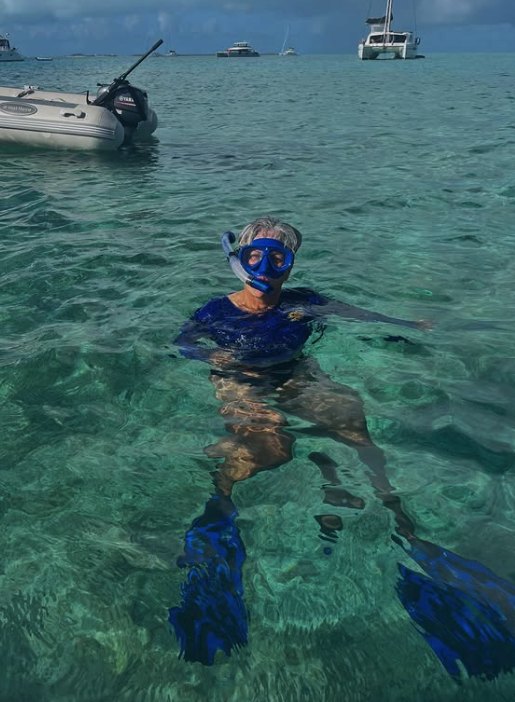
Mask, fins, tube and life vest come with every trip listed. What does not is everything that touches your skin or your wallet.
- Reef-safe sunscreen, applied at the hotel twenty minutes before you leave rather than on the boat.
- A towel, which several operators exclude.
- Small US notes for tips and the beach bar. The Bahamian dollar runs at parity with the US dollar.
- Photo ID, because waivers are signed on several trips.
- A rash guard, because your back is what burns while you float face-down.
The full kit list, with what to buy where, is on the snorkeling tips page.
Getting from your hotel to the boat
Nassau is small and the docks are close together, which makes this easier than it sounds. Nothing on New Providence is more than about twenty minutes from a hotel by taxi, and the departure points cluster in three places: the Paradise Island Ferry Terminal, the downtown waterfront beside the cruise wharf, and the marinas along East Bay Street.
Bahamian taxis are priced by zone rather than by meter, and drivers quote per person on shared runs. Agree the fare before you get in — it is the single most common complaint in the feedback on these trips, and it is entirely avoidable. Where a departure offers hotel pick-up, taking it usually costs less than two taxis and removes the timing risk as well.
On Grand Bahama the geography is different: the island is spread out, Port Lucaya is the only real hub, and taxis are the only practical way around. Pick-up matters more there than it does in Nassau.
What happens if the weather turns
Operators cancel rather than sail into bad weather, and several state in writing that they refund in full when they postpone. That is worth more than it sounds in storm season, and it is the practical reason to book a boat rather than plan a beach day when the forecast is uncertain.
Your own cancellation window is 24 hours on every departure listed. Watching the forecast the day before and moving your booking costs nothing, so there is no reason to gamble on a marginal morning. Inside 24 hours the operator's own terms apply, and those are shown at checkout.
The pig question, answered once
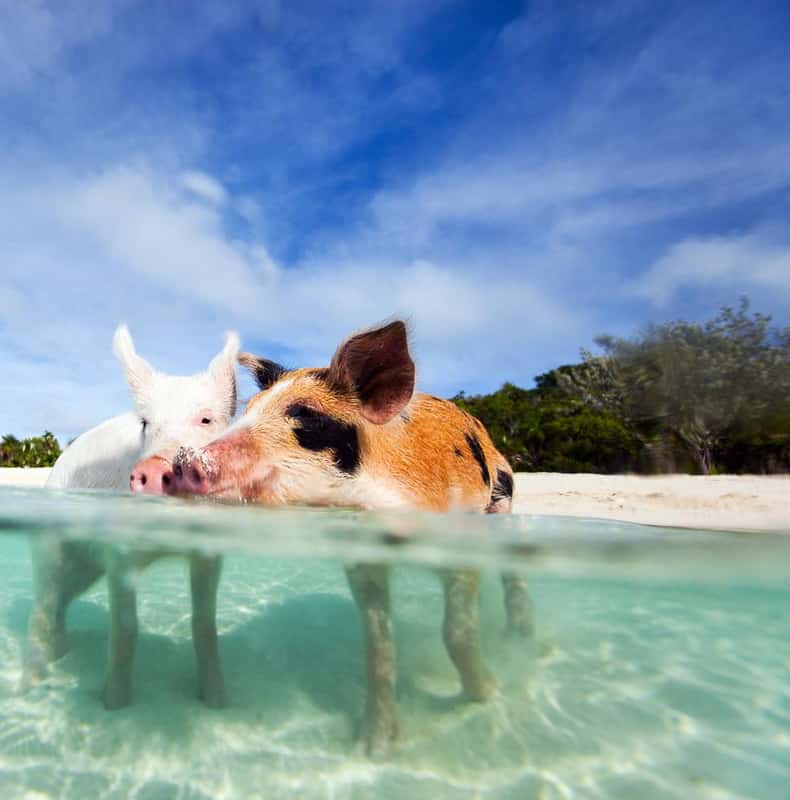
Two places are sold as Pig Beach and they are eighty miles apart. The famous one is Big Major Cay in the Exumas, reachable from Nassau in a day only by air. Every other pig stop is a Nassau-area beach club on the Rose Island chain: a genuine encounter, a very good morning, and not the island from the photograph.
Neither is better than the other. They are just different days, and the snorkeling spots page sets them side by side so you can choose knowing.
On the day
Eat breakfast — one operator asks for it in writing, and it is the single most effective thing you can do about seasickness. Put your swimwear on at the hotel, because most departure points have no changing room worth the name. Arrive thirty minutes early, because a boat that leaves on time leaves without you.
In the water, float rather than swim. The vest holds you up; all you have to do is look down and breathe slowly. If water gets in the tube, lift your head, blow once hard and carry on. On the small-group trips a guide will get in beside you, and on the bigger boats they will if you ask.
What you will actually see
Reef fish are a certainty: sergeant majors, yellowtail snapper, blue tang and parrotfish on every stop. Green turtles are likely at Green Cay and never promised, because they are wild animals grazing a seagrass bed. Southern stingrays and nurse sharks turn up often enough to hope for. The marine life page covers what is common, what is rare and what never to touch.
Ready to pick a departure?
Fares start at $120 per person with gear included, and every trip refunds in full up to 24 hours ahead.
The three departures most people start with
The most-booked day out of Nassau, the highest-rated one, and the best-value day on Grand Bahama.